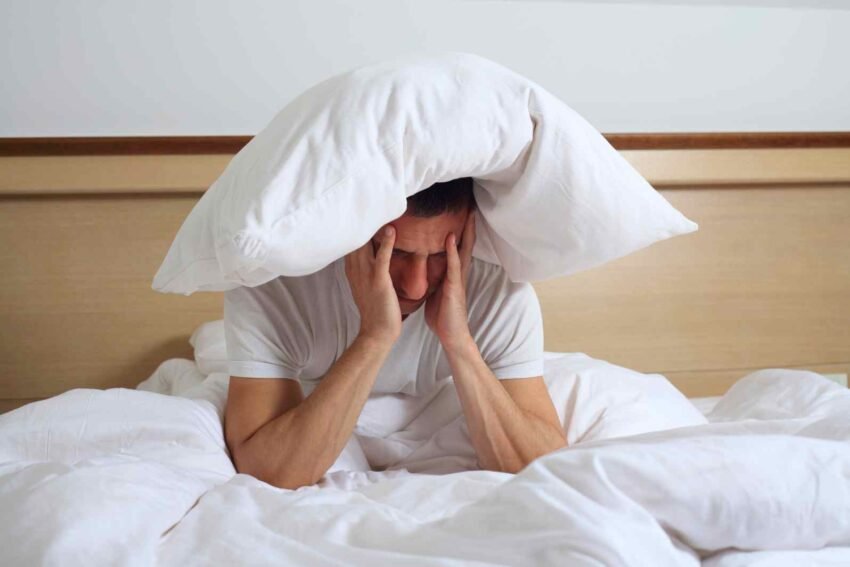
Healthy sleep is the cornerstone of good health both physically, mentally and energetically. But lots of people find it difficult to sleep well even when they are tired. Sleep disorders are increasingly common with stress, irregular schedules, screen overuse and other aspects of our unhealthy lifestyles. Bad sleep doesn’t just make you tired. It undermines mood, focus, immunity, heart health and overall quality of life over time. The good news is that many sleep issues can be helped with some simple lifestyle adjustments. The vast majority of sleep complaints do not require a prescription for medication or an expensive remedy.
What Sleep Disorders Really Are
Sleep disorders are disturbances in the ability to fall asleep, remain asleep, or in the quality of sleep. Some find it difficult to sleep, others wake up often during the night and feel tired even after a full night’s rest. Sleep disturbances can be transient or chronic. Transient sleep troubles arrive with stressful life situations, while chronic sleeps problems stem from unhealthy behaviors and health problems.
Common Types Of Sleep Disorders
Sleep disorders take many forms, and each has a different impact on the nature of sleep. Some are associated with an inability to fall asleep, others with breathing and still more with sleep patterns.
Common sleep disorders include:
- Insomnia whereby the affected person finds it hard to sleep or stay asleep
- Sleep apnea, in which breathing stops during sleep
- Tossing and turning in the bed or wakefulness
- Erratic sleep from lifestyle and work schedules
When you know what kind of sleep issue it is, that information can be very helpful in picking the right solution.
Main Causes Behind Sleep Disorders
The most common causes of sleep disorders are various physical, psychological and lifestyle combinations. The most frequent etiology is stress. If the mind works nights, the body fights to rest. You have an abnormal sleep-wake pattern which confuses the body clock. Going to bed and getting up at different times every day disrupt your natural sleep cycle. Having too much screen time in the hours leading up to sleep, closely followed by an abrupt shut off of stimuli (you turning out the light) can really disrupt sleep as well and overstimulate the brain.
Other reasons can be unhealthy eating habits, sedentary lifestyle, and consumption of caffeine or untreated medical conditions. You’re likely to encounter familiar culprits: sleep disorders are most often due to lifestyle, more so than actual sickness.
How Stress And Anxiety Impact Sleep
Sleep disorders are highly influenced by stress and anxiety. When the mind insists on replaying irritations, it can be hard to fall asleep. And if sleep does come, it may be fitful and disturbed. Stress makes the body feel on guard, not at rest. With time, a pattern develops where the body has forgotten how to relax on its own. Daytime stress management is equally important as sleep hygiene for the evening.
Impact Of Poor Sleep On Health
Sleep problems do more than leave you tired. Lack of sleep has also been shown to lower immunity, leaving the body more vulnerable to illness. It has a detrimental effect on memory, concentration and emotional wellbeing. When you don’t sleep as long, over time this can increase your risk of all sorts of lifestyle diseases high blood pressure, diabetes, gaining weight and having heart problems, he said. Less sleeping also makes us more sensitive to stress, which can lead to a downward spiral in sleep quality.
Small Lifestyle Changes That Lead to Quality Sleep
A great number of sleep disorders get better if policymakers and individual citizens encourage natural sleep patterns. Little changes lead to big improvements, and when done frequently.
Helpful lifestyle changes include:
- Consistent bed and rise time
- Reducing screen use before bedtime
- With did you wake up, the body will know how to listen when rest is needed.
Creating A Sleep Friendly Environment
The room in which we sleep impacts our sleep quality. You are unable to relax your body in a loud, wafty or uncomfortable room. Better sleep starts with a peaceful bedroom. When the room is dimly lit, you are wrapped in cozy bedding, and the temperature is on the cooler side, it’s easier to lull your body into a falling asleep state. A clean, tidy bed space is also a springboard to mental peace.
Improving Sleep Through Daily Routine Balance
Sleep is an act that can be mirrored by how individuals manage their day. Irregular meals, immobility and constant (mental) pressure take their toll on night-time rest. Light physical activity during the day leads to better sleep. Natural light exposure promotes a stable body clock. Short breaks decrease mental fatigue. An appropriately balanced day makes for more restful sleep at night.
When To Seek Professional Help
Although many sleep disorders can be improved with lifestyle changes, some cases need medical intervention. If the sleep trouble persists for months, or if there is evidence of breathing problems loud snoring, heavy breathing or excessive daytime sleepiness getting evaluated becomes more important.
Conclusion
Sleep problems are a widespread issue but they can be resolved. Postponed meals and other bad habits lead to imbalances in sleep, as many sleeping disorders are a product of stress, irregular schedules or harmful lifestyles. Once we understand why a lack of sleep is an issue, simple lifestyle solutions like regular bedtimes, less screen time prior to bed and managing stress will ultimately help improve our quality of sleep. One’s physical health, mental clarity and emotional balance are all supported by good sleep. Little tweaks you make every day can become habits that lead to some deep sleep.
FAQs:
Q1. Are Sleep Disorders Common Today?
Yes, people today have more sleep-related issues.
Q2. Can Sleep Disorders Be Treated Naturally?
Most sleep challenges can be fixed by making changes to your lifestyle.
Q3. How Long Does It Need For Natural Sleep To Improve?
Results can generally be seen within a few weeks of regular use.
Q4. Is Stress the Sole Reason for Sleep Disorders?
Stress is a big factor, but habits and routines count, too.
Q5. When Should I Go To The Doctor For Sleep Problems?
When sleep problems last for months or interfere with daily life, it’s time to get help.