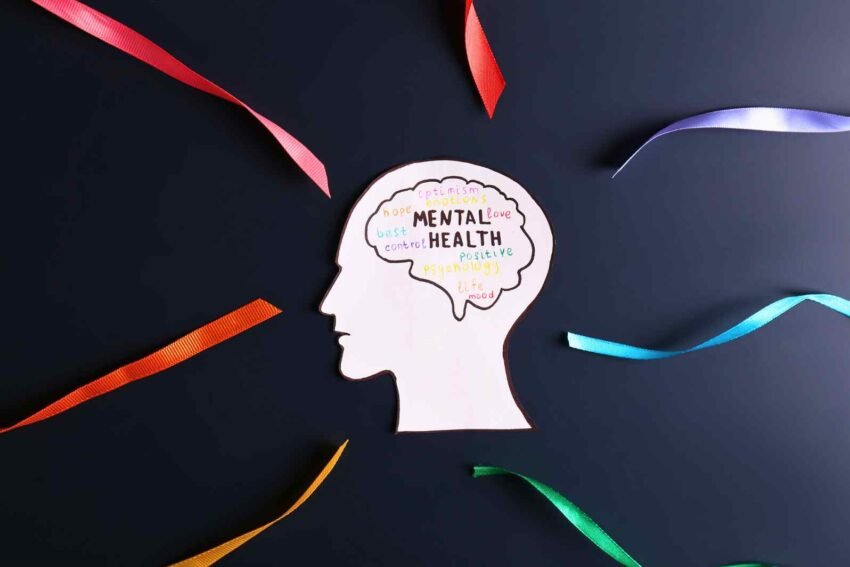
Now we all know how important mental health is, it should be the first thing you do and not the last, thousands of people are alone scared in their sometimes twisted thoughts. Emotional and mental struggles are ignored by many because people just don’t know how to cope. In fact, mental health issues tend to come with warning lights. When those signs are ignored for too long, they can become bigger problems that impact how you live day to day, your relationships, work and even your physical health. Some bad days do not imply that anything is wrong. Everybody feels stressed or sad or tired now and then.
Depressed Feeling Never goes Away or Always Sad
It’s normal to feel sad from time to time, but if you have a low mood most of the time it is worth seeking help. If such sadness continues for weeks and doesn’t let up even when, every once in a while, one feels happy, that is a signal that there might be something more serious going on within one’s mental health. People who feel this way often describe feeling empty, hopeless or emotionally drained. What they used to find fun, they might lose interest in. This sustained low mood might affect motivation, energy levels and self esteem.
Excessive Worry And Constant Anxiety
Occasionally worrying is normal, and even necessary, but constant worry that doesn’t let up can take a serious toll on mental health. Those who are chronically anxious experience a prolonged state of restlessness, tension or fear without any specific cause. You are a worry-wort This kind of anxiety can also bring on physical sensations like headaches, stomach pains, fast heartbeats or shortness of breath. It may also disrupt sleep and attention.
Sudden Changes In Sleep Patterns
Sleep and mental health are closely related. Abrupt shifts in sleep may be a major red flag. Not getting enough sleep, too much sleep and repeated awakening in the night may also be signs of emotional stress or mental health conditions. Inadequate sleep disrupts mood, focus and emotional balance. When sleep issues drag on for weeks, anxiety, depression and stress can be exacerbated.
Loss Of Interest And Motivation
Loss of interest in activities, hobbies or socialization. It’s one of the classic symptoms for mental health disorders. Individuals may also refuse to engage in activities they used to enjoy, or feel alienated from others. This lack of motivation is not about laziness. It is frequently associated with emotional exhaustion or depression. Daily tasks can begin to seem arduous (even simple ones), and things that we had previously found joy in start to loose their shine.
Difficulty Concentrating Or Making Decisions
Mental health challenges can impact mental acuity. Trouble focusing, being forgetful and finding simple decisions hard to make also could indicate mental overload. Individuals might feel mentally foggy or overwhelmed about things they used to take in stride. This may have an impact on work performance and confidence. A persistent mental fog should not be overlooked, particularly if it is a departure from prior levels of confusion.
Changes In Appetite Or Eating Habits
Changes in eating habits are among the signs of emotional distress. Others completely lose their appetite, or overeat to handle stress and emotions. A sudden weight loss or gain, seems to be emotional eating, could mean anxiety and depressions or stress related issues. Food is used unconsciously as a vehicle to cope with emotions.
Withdrawing From Friends And Family
Another crucial mental health indicator is avoiding social interaction. People might cancel plans, stop returning messages or want to be alone a lot of the time. Although it is healthy to have alone time, if you are isolating yourself from loved ones this may be a sign that you’re struggling emotionally. Social isolation can make negative thinking and loneliness worse.
Increased Irritability Or Mood Swings
To find out around causes of stress or mental pressure, sudden rage, anger or passion may be among the symptoms. Little things can elicit big reactions. Suppressed emotion and overwhelm commonly drive irritability. You should not brush off mood changes that feel uncontrollable. Emotional regulation gets better with support of mental health.
Feeling Overburdened Or That You Can’t Keep Up
Everyone has time when they feel overwhelmed, but if you are constantly feeling like you can’t keep up with life then it is a problem. When all is too much, even the simplest task can be draining. This condition often accompanies with physical exhaustion, emotional ana esthesia or despair. It’s a symptom of burnout, anxiety or depression. This is the time when seeking help can also prevent things from getting worse.
Negative Thoughts About Self Or Life
If you are constantly having negative thoughts of worthlessness, failure and hopelessness, those are some big mental health warning flags. What we tend to find in suicidal thinking is feelings of worthlessness, unworthiness or life being meaningless. It might not seem like a big deal, but negative self talk can chip away at confidence and emotional health over time. These thoughts aren’t true, but they are very real for the person who has them.
When To Get Help Without Shame Or Guilt
Fear, stigma or a feeling that they should be able to cope by themselves can prevent many from seeking help. It is not a weakness to need mental health support. It is a form of self care. Getting help early could prevent symptoms from worsening. That support can come from supportive individuals, counselors or mental health experts.
Conclusion
The signs of mental health usually appear quietly, slowly but should never be pushed aside. Sadness, restlessness, sleep disturbance, loss of interest in daily activities or routine tasks and recurrent negative thoughts are signs that our mind needs fine-tuning. Mental health problems are a widespread and recoverable phenomenon, particularly when it is detected early. Acknowledging this, treating yourself kindly and asking for help when needed, however, contributes to emotional well-being that does, in fact improve quality of life. Mental health is an every day occurrence, just as much as physical health.
FAQs:
Q1. Are Occasional Mood Changes Normal?
Yes, there are often changes here and now, but continued symptoms should always be taken seriously.
Q2. Can Mental Health Cause Physical Symptoms?
Yes, mental health plays a huge role in sleep patterns and immunity and energy.
Q3. Is It Acceptable To Ask For Help Without Having A Serious Diagnosis?
Yes, there is nothing wrong with an early encouragement.
Q4. At What Point Should I Go to the Doctor?
If symptoms persist for longer than a couple of weeks, support may be necessary.
Q5. Can You Change Your Life For Better Mental Health?
Yes, good habits often contribute to emotional healing.