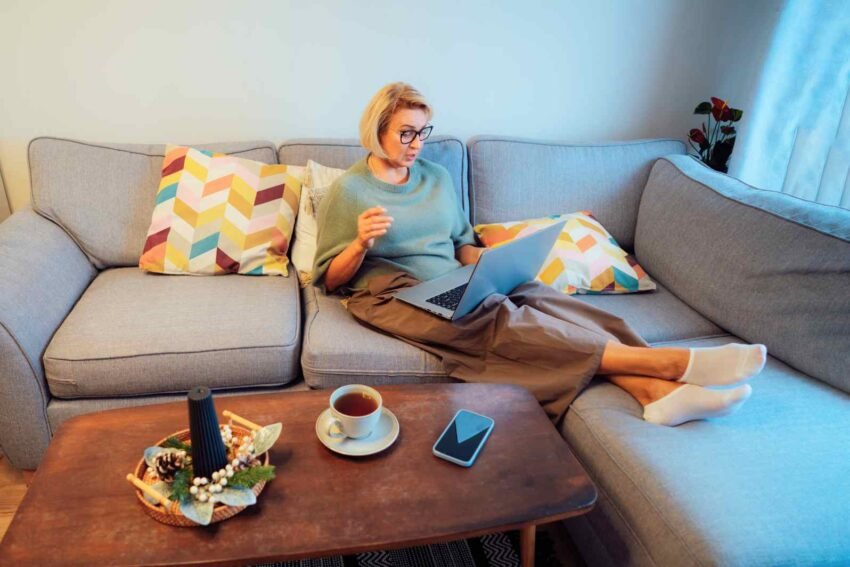
Modern life moves fast. The endless workdays and notifications; our curated social-media selves; the relentless treadmill we march every day just to hold ourselves, our marriages/relationships, children or fur babies, careers etc. together all take a toll on people, leaving them tired and feeling isolated from themselves. In a life such as this, self care is not valued for the necessity that it is. The truth, is that self care is not all about indulgence. It is all about that balance of keeping both body and mind in good shape over time. A self care routine does not have to be complex or time consuming. It has to be conscious and regular.
What We Really Mean When We Say ‘Self Care’ Today
People often think that self care means you need to make spa days, or buy expensive products. It means listening to your body and mind and responding with nourishing habits. With modern living, self care is about preventing burn out rather than correcting it once it’s already occurred.
Self care is physical care plus emotional awareness, mental rest and healthy boundaries. It is not selfish or lazy. In reality, you become more efficient in tending to work, family and responsibilities when you have taken care of yourself.
Why You Need To Take Care Of Yourself When You’re Busy
The demands on our attention and energy are relentless in modern life. Multitasking, screen time and work tension keep the nervous system revved up for much of the day. This eventually creates stress, if not attended to regularly. When self care is the first thing we let go of, it often leaves us feeling tired, irritable, sleepless or low in motivation and high in anxiety. These symptoms can become more severe by impacting both productivity and quality of life.
Routine self care makes a difference:
- Reduce stress levels
- Improve emotional regulation
- Maintain physical energy
Self care is a daily cleanse and not occasional pick me up.
Physical Self Care Without Overcomplicating It
Physical self care doesn’t have to be rigorous exercise or dieting. It is in fact rigorous to be extreme as most of the time it will give you a contradiction. Modern self care is about small, natural habits that help the body. Basic physical self care is engaging in regular activity, drinking water, eating, resting. And I really mean habits: These are daily practices that support your immune system, energy, and overall health.
Some practical examples of physical self care:
- Small daily pilgrimages or some gentle stretching
- Staying properly hydrated throughout the day
- Prioritizing sleep over late night scrolling
Small daily physical habits make a bigger difference than epic bursts of intensity every once in a while.
Ways To Take Care Of Mental And Emotional Health In Your Everyday Life
Emotional and mental self care can be so crucial in the world we live in today, with all the information overload. Maximum cogitating, worrying and reacting leaves little room for feeling. Because of that, caring for your mind is about giving it time to rest and reset. Emotional self care is learning to accept how you feel without judgement. Useful things to do could be journaling, mindfulness, taking a moment for reflection or just sitting without any distractions. These routines give you mental space and release emotional baggage.
Creating Boundaries in Order To Protect Your Energy
One of the hardest aspects of self care is establishing boundaries. The line between professional and personal time gets a little fuzzy for many people in today’s busy world. Constant availability drains mental energy. Self care is about learning to say no and avoiding overcommitting and taking time to rest. Boundaries are not what pushes people away. They are about protecting your potential.
Healthy boundaries may include:
- Not being in touch with work after a certain time
- Reducing unnecessary social obligations
- Taking breaks without guilt
Guard that energy so you can show up better when it really matters.
Digital Self Care In A Screen Based World
Technology permeates modern life, but the constant use of screens impact mental health. Notifications, social media comparison and infinite content elevate stress and lower concentration. Digital self care is about being intentional with our use of technology, rather than constant. That doesn’t mean you need to quit devices, though: You just need healthier habits around them. These include restricting phone use before bedtime, trying not to remain constantly connected and taking screen-free breaks. These tiny shifts help the mind to settle and enhance attention.
How To Make Self Care Stick And Unique
A self care routine should be encouraging, not obligatory. You’ll find that a lot of us abandon a self care habit because we’re attempting to replicate the routine of another person, which ultimately does not suit our lifestyle. Sustainable self care is flexible. Some days are busier and routines are a little shorter. That is completely normal. What matters is getting back to nurturing habits without guilt.
Self care works best when:
- It fits your schedule
- It feels calming, not stressful
- It evolves with your needs
Consistency matters more than perfection.
Conclusion
Modern self care does not add more to the to-do list. It’s finding ways to take moments of care during the little things you’re already doing. Self-care in physical health, mental balance and emotional awareness of oneself has been reported as important to prevent burnout and improving the quality of life. A sustainable self care regimen is soft, malleable, and intimate. When done regularly, it establishes a solid base of mental and physical heath in a hectic world.
FAQs:
Q1. How Much Time Should I Dedicate To Self Care Each Day?
10-20 minutes of Intentional Self-care can work even if that’s all you’ve got!
Q2. Is Self Care Always Relaxing?
No, it also involves boundaries, habits of health and emotional awareness.
Q3. Can Self Care Improve Productivity?
Yes, taking better care of yourself increases focus and energy and mental clarity.
Q4. What If I Feel Guilty Taking Time To Myself?
Self care helps you be better, which is good for both you and others.
Q5. How Do I Get A Slow Start To A Self Care Routine?
Start with one tiny habit that comes naturally and grow from there.